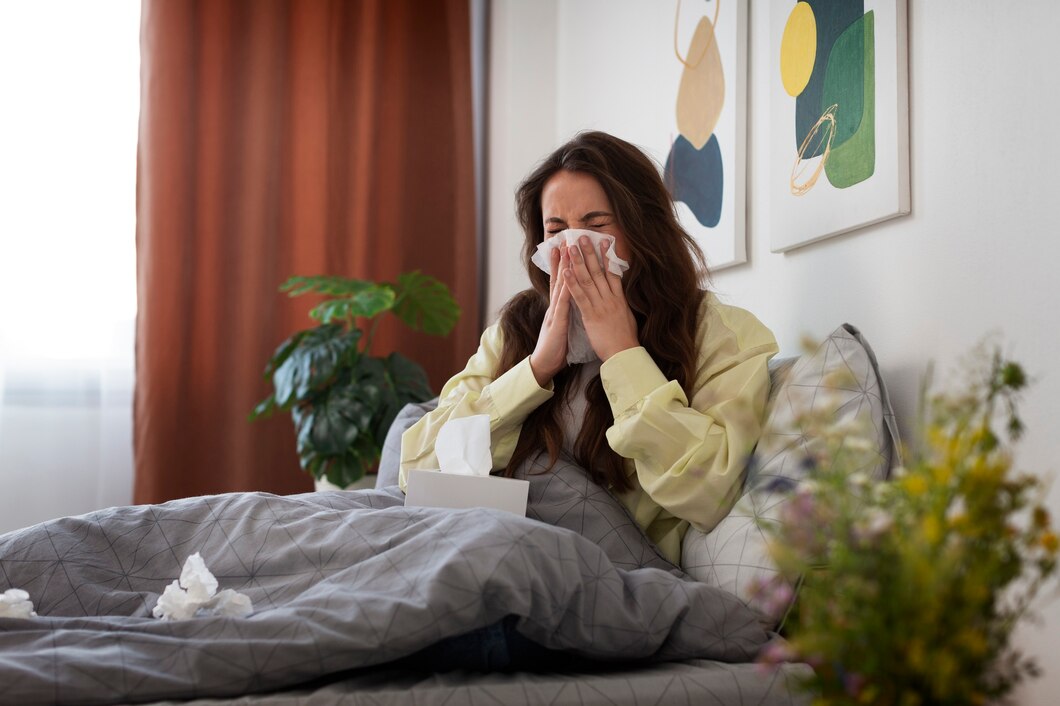

Seasonal allergies can affect individuals from spring through fall. The timing and severity of these allergies often depend on the types of allergens that are prevalent. These reactions may disrupt daily routines, affecting work, school, and leisure activities.
What Are Seasonal Allergies?
Seasonal allergies are an immune system response to airborne allergens that appear during certain times of the year. The immune system can sometimes mistakenly identify a harmless substance as a threat. When a person with an allergy encounters one of these triggers, their body launches a defensive response. These reactions manifest in the nose, throat, eyes, and sinuses, leading to the familiar symptoms of hay fever.
What Are the Symptoms?
The symptoms of seasonal allergies can range from mild annoyances to severe conditions that interfere with daily functioning. Because the allergens are airborne, they most directly affect the respiratory system. Common symptoms include:
- Persistent sneezing
- Runny or stuffy nose
- Watery red eyes
- Itching in the nose or throat
- Wheezing
- Sinus pressure and facial pain
Beyond these primary symptoms, seasonal allergies can lead to other effects. Fatigue is a common complaint, resulting from both the body’s immune response and disrupted sleep caused by nasal congestion or coughing. Some individuals may also experience headaches or feel irritable. The overall impact may diminish concentration and productivity at work or school.
How Are They Treated?
Managing seasonal allergies typically involves a multi-faceted approach aimed at reducing exposure to allergens and controlling symptoms. An allergist can perform tests to identify specific triggers, which allows for a more targeted management plan. One method for managing allergies is allergen avoidance. While it is difficult to completely avoid airborne pollen, certain steps may reduce exposure. These include staying indoors on days with high pollen counts, keeping windows in the home and car closed, and using air conditioning with a high-efficiency particulate air (HEPA) filter. Showering and changing clothes after spending time outdoors can also help remove pollen from skin and hair.
Various medications are available to alleviate symptoms. Antihistamines work by blocking the effects of histamine. Decongestants help relieve nasal stuffiness by shrinking swollen nasal tissues. Eye drops can relieve itchy, watery eyes. For some individuals, allergy shots, a form of immunotherapy, may be an option. This treatment involves receiving regular injections containing small amounts of the specific allergen. The body may build a tolerance to the substance over time, reducing the severity of the allergic reaction.
Speak With an Allergy Specialist
Seasonal allergies may significantly affect a person’s quality of life. The recurring symptoms may interrupt sleep, work, and personal activities. Understanding that these reactions are your body’s response to environmental triggers is the first step toward managing them. By recognizing the symptoms and knowing the types of allergens prevalent during different seasons, you may be better prepared. Various treatment strategies exist, from avoiding allergens to using medications. If seasonal allergies disrupt your daily life, speaking with an allergy specialist can provide a path toward effective management. A specialist can offer a precise diagnosis and prescribe a personalized treatment plan to help you find relief.
- Top Design Trends in Crypto Platforms for 2026
- Latest Innovations in Dental Implant Technology
- How to Save on Home Insurance Quotes in California: A Comprehensive Guide
- The Essential Role of Nutrition in Promoting Healthy Hair Growth
- Nurse Practitioner Consulting: Roles, Benefits, and Key Considerations