
Fungal nail infections are common conditions that cause discomfort and cosmetic concerns. These infections develop when fungi penetrate the nail bed through small cracks or cuts in the nail or surrounding skin. Without proper treatment, the condition can worsen and spread to other nails or cause secondary bacterial infections. Understanding the nature of fungal nails, their causes, symptoms, and available treatments can help you make informed decisions about your foot health.
What Are Fungal Nails?
Fungal nails, medically known as onychomycosis, occur when microscopic fungi invade the nail plate, nail bed, or nail matrix. These organisms thrive in warm, moist environments and feed on keratin, the protein that makes up nails and hair. The infection can affect both fingernails and toenails, though toenail infections are more common due to the enclosed environment of shoes.
The fungi responsible for these infections belong to several groups, including dermatophytes, yeasts, and non-dermatophyte molds. These microorganisms can survive in various environments and spread through direct contact or contaminated surfaces. Fungal nail infections represent a chronic condition that requires professional medical attention. Early intervention may lead to better treatment outcomes and prevent the spread of infection to adjacent nails.
What Causes Them?
Multiple factors contribute to the development of fungal nails. Age represents a significant risk factor, as older adults experience slower nail growth and reduced blood circulation, creating favorable conditions for fungal growth. Medical conditions, like diabetes and peripheral vascular disease, can increase susceptibility to fungal nail infections. Environmental and lifestyle factors also play a role in the development of infections.
What Are the Symptoms?
Fungal nails present with several characteristic signs that develop progressively. The most common symptom involves discoloration of the affected nail, which may appear yellow, brown, white, or black depending on the type of fungus involved. The nail often becomes thicker than normal and may develop a rough, crumbly texture.
Physical changes in nail structure occur as the infection progresses. The nail may separate from the nail bed, creating a space where debris can accumulate. The nail surface may develop ridges, become brittle, or develop white or yellow spots. Additional symptoms can include pain or discomfort around the affected nail, particularly when wearing shoes or during physical activity.
What Are the Treatment Options?
Treatment options for fungal nail infections vary based on the severity of the infection, the number of affected nails, and patient-specific factors. Topical antifungal medications are a first-line treatment for mild to moderate infections. Oral antifungal medications provide systemic treatment for more severe or extensive infections. These medications circulate through the bloodstream and reach the nail bed, where they can effectively combat the infection.
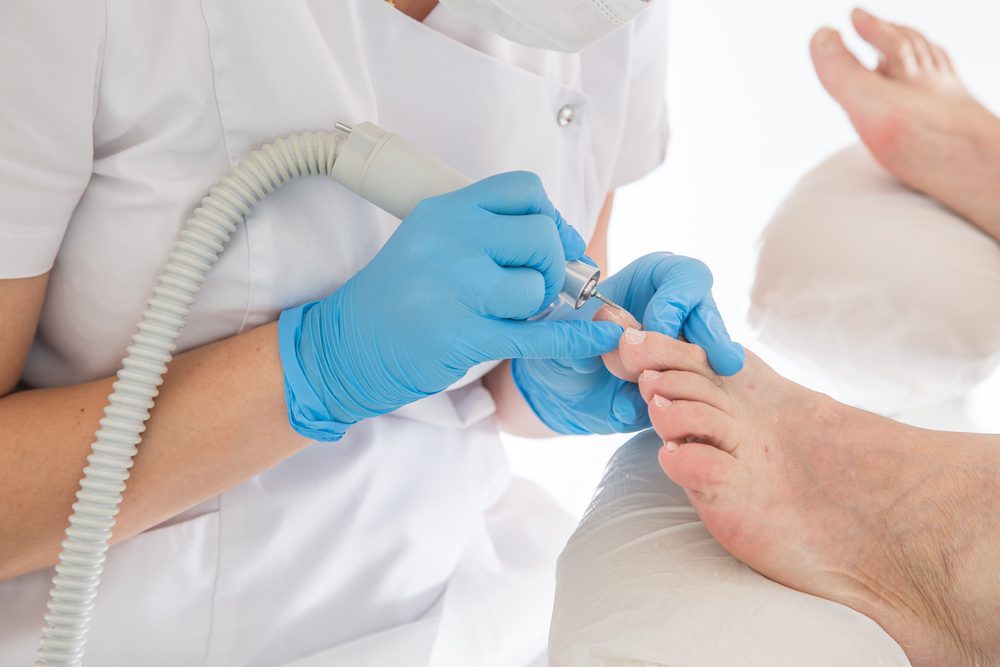
Laser therapy offers an alternative treatment approach that utilizes focused light energy to target and destroy fungal organisms within the nail. This treatment option may be evaluated when traditional medications prove ineffective or when patients are unable to tolerate oral medications. Multiple treatment sessions may be required, and results vary among patients. Nail removal may be recommended for severely infected nails that do not respond to other treatments.
Visit a Podiatrist Today
Fungal nail infections require professional medical evaluation and treatment to alleviate symptoms. A podiatrist can accurately diagnose the type of fungal infection present and recommend the most effective treatment approach based on your specific situation. Schedule an appointment with a qualified podiatrist to discuss your symptoms and explore available treatment options.
- Top Design Trends in Crypto Platforms for 2026
- Latest Innovations in Dental Implant Technology
- How to Save on Home Insurance Quotes in California: A Comprehensive Guide
- The Essential Role of Nutrition in Promoting Healthy Hair Growth
- Nurse Practitioner Consulting: Roles, Benefits, and Key Considerations