
Gallbladder surgery is a procedure performed to remove the gallbladder and relieve pain or discomfort caused by gallstones or inflammation. While recovery is straightforward, proper post-surgical care is key to promoting healing and preventing complications. Here’s more information on how to facilitate healing after gallbladder surgery:
Gallbladder Surgery and Recovery Basics
A cholecystectomy removes your gallbladder through small incisions in your abdomen. Surgeons often use laparoscopic techniques, which involve tiny cuts and a camera to guide the procedure. This method leads to less pain and faster healing compared to traditional open surgery.
After the gallbladder surgery, your body will need to adjust. The gallbladder stores bile, which helps digest fats. Without it, bile flows directly from your liver to your small intestine. You may experience some digestive changes during the first few weeks. Recovery time varies depending on the type of surgery you had. Your doctor will give you specific instructions based on your individual case.
Medication, Rest, and Follow-up Care
Your surgeon will provide detailed instructions for your recovery. Following these directions exactly as given is fundamental to healing well. This includes taking medications as prescribed, caring for your incisions, and attending follow-up appointments.
Pain management is a key part of recovery. You may feel sore around your incision sites and experience some shoulder pain from the gas used during surgery. Your doctor may prescribe pain medication or recommend over-the-counter options. Take pain medicine as directed, even if you feel okay, to stay comfortable and prevent pain from getting worse.
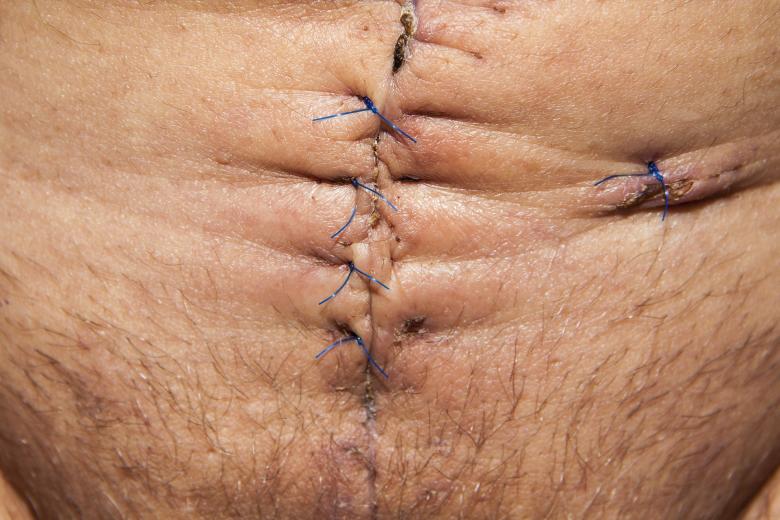
Watch your incisions for signs of infection. Redness, swelling, warmth, or drainage from the surgical sites needs immediate medical attention. Contact your doctor if you develop a fever, severe pain, or persistent nausea and vomiting.
Diet and Digestive Health
What you eat after your gallbladder surgery can affect how you feel. Follow these guidelines to support your digestive health and promote recovery:
- Start with small, frequent meals instead of three large ones to help your digestive system adjust to processing food without a gallbladder.
- Begin by eating bland, low-fat foods.
- Avoid high-fat and greasy foods, including fried foods, fatty meats, and rich desserts, for at least a few weeks after surgery, as they can cause discomfort, bloating, and diarrhea.
- Gradually reintroduce different foods into your diet as your body adapts, and take note of any that cause problems. Avoid problematic foods for a longer period if needed.
- Stay hydrated by drinking plenty of water to support digestive function and prevent constipation.
- Contemplate adding fiber to your diet if it aids digestion during your recovery.
Following these dietary recommendations can enhance your comfort and foster a smooth recovery process.
Return to Daily Routines
Rest is helpful during the first few days after your gallbladder surgery. Light movement helps prevent blood clots and speeds healing. The day after surgery, start walking short distances around your home. Gradually increase your walking distance each day as you feel stronger.
Avoid heavy lifting, strenuous exercise, and vigorous activities for at least two weeks after laparoscopic surgery. If you had open surgery, you may need to wait four to six weeks. Listen to your body and don’t push yourself too hard too soon. If an activity causes pain or discomfort, stop and rest. You can often return to work within one and two weeks after laparoscopic gallbladder removal surgery, depending on your job. Jobs that involve heavy physical labor may require more recovery time.
Schedule Your Gallbladder Surgery Consultation
Proper care after gallbladder surgery sets you up for a smooth recovery. Following medical instructions, managing pain effectively, adjusting your diet, and gradually returning to activities will support your healing. For gallbladder problems, contact a gallbladder specialist near you to schedule a consultation today.
- Top Design Trends in Crypto Platforms for 2026
- Latest Innovations in Dental Implant Technology
- How to Save on Home Insurance Quotes in California: A Comprehensive Guide
- The Essential Role of Nutrition in Promoting Healthy Hair Growth
- Nurse Practitioner Consulting: Roles, Benefits, and Key Considerations