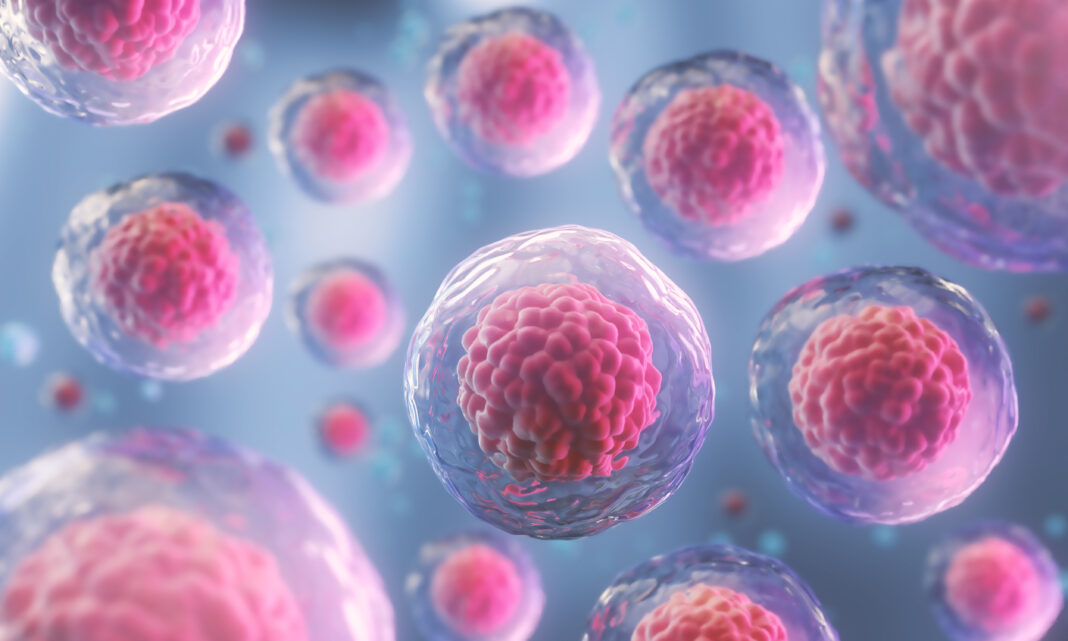

Cancer is a condition characterized by the uncontrolled growth of abnormal cells in the body. This can lead to the formation of tumors, which are masses of tissue. There are many different types of cancer, each with its own unique set of characteristics, risk factors, and management approaches. Here are some types of this disease and how to detect them:
Breast Cancer
Breast cancer is typically found in women, though it can also affect men. The disease may begin in the ducts that carry milk to the nipple or in the lobules, the glands that produce milk. A lump or mass in the breast is one initial sign, but other symptoms may include changes in the size or shape of the breast, skin dimpling, or nipple discharge.
There are several types of breast cancer. Some grow slowly, while others are more aggressive. Factors such as age, family history, and genetics play a role in determining a person’s risk. Early detection through self-exams and regular mammograms may significantly improve the outlook for many individuals.
Colon Cancer
Colon cancer develops in the gastrointestinal tract. Most cases begin as small, benign clumps of cells called polyps. Over time, some of these polyps may develop into cancerous tumors. For this reason, doctors typically recommend regular screenings to find and remove polyps before they turn into cancer.
Symptoms might not appear in the early stages. When they do, they may include a persistent change in bowel habits, rectal bleeding, or discomfort. Lifestyle factors such as diet and physical activity levels may lower the risk of developing colon cancer.
A family history of the disease also increases a person’s risk of developing the disease. Screening tests, such as a colonoscopy, are used to detect colon cancer, sometimes at its earliest and most treatable stage. Early detection through regular screening may significantly improve treatment outcomes and survival rates.
Skin Cancer
Skin cancer is the growth of abnormal cells in the epidermis, the outermost layer of skin. It is frequently caused by exposure to ultraviolet (UV) radiation from the sun or tanning beds. There are three main types of skin cancer:
- Basal cell carcinoma
- Squamous cell carcinoma
- Melanoma
Melanoma is a more serious type because it is more likely to spread to other parts of the body if not caught early. Checking your skin for new or changing moles, spots, or sores is a practical way to monitor for potential issues. The appearance of a new mole or a change in an existing one is a sign to talk about with a healthcare provider. You can practice safety by limiting sun exposure and using sunscreen.
Pancreatic Cancer
Pancreatic cancer starts in the tissues of the pancreas, an organ located behind the lower part of the stomach. This type may be difficult to detect early because symptoms typically do not appear until the disease has progressed. When symptoms do occur, they can be vague and may include pain that radiates to the back, loss of appetite, unintended weight loss, and jaundice, which is a yellowing of the skin and eyes.
Get Screened for Cancer
Regular screenings are a proactive part of managing your health. These tests can help detect abnormalities early, sometimes before any symptoms have started. Talk to your doctor to understand which screenings are appropriate for you based on your age, family history, and other risk factors. Take the step to schedule a conversation with your healthcare provider about a screening plan that fits your personal health profile.
- Top Design Trends in Crypto Platforms for 2026
- Latest Innovations in Dental Implant Technology
- How to Save on Home Insurance Quotes in California: A Comprehensive Guide
- The Essential Role of Nutrition in Promoting Healthy Hair Growth
- Nurse Practitioner Consulting: Roles, Benefits, and Key Considerations