
Receiving a colon cancer diagnosis marks the start of a structured series of medical decisions, and it signals a shift from detection to active management. The period after diagnosis focuses on gathering information and coordinating care, with a gastroenterology team playing a key role in guiding next steps. Here’s some information about colon cancer, how it’s diagnosed, and what to do afterward:
Understanding the Diagnostic Process
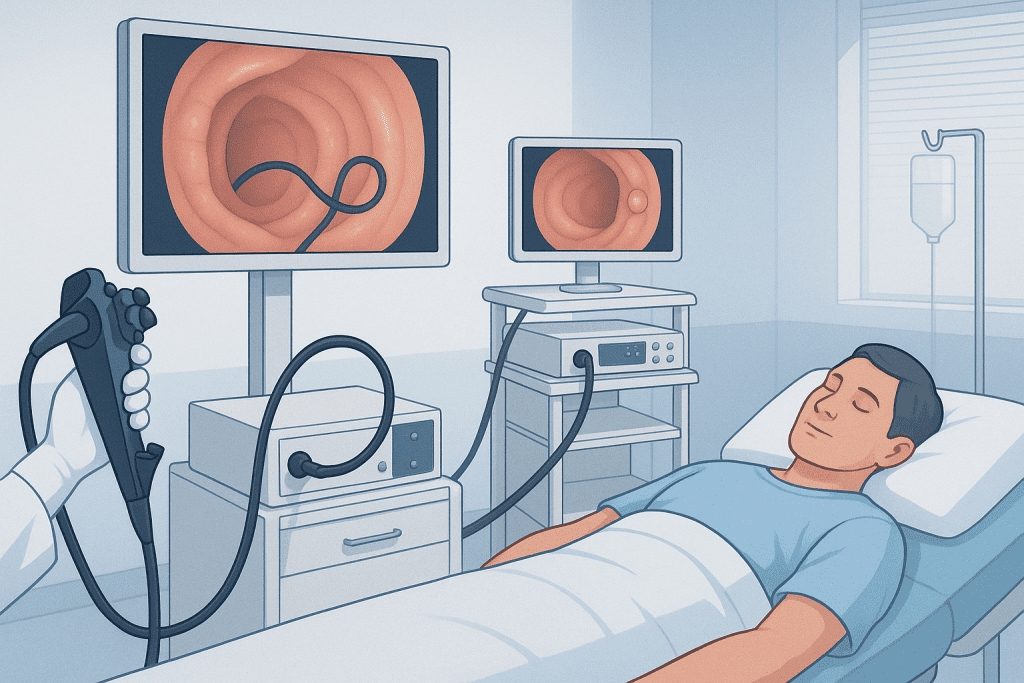
The path to a colon cancer diagnosis often begins with a screening test or a visit to a doctor for symptoms. A colonoscopy is a common procedure used for both screening and diagnosis. During this procedure, a gastroenterology expert uses a long, flexible tube with a camera to view the entire colon. A sigmoidoscopy is a similar procedure that examines only the lower part of the colon, and it helps detect abnormalities in that specific area. If polyps or other unusual areas are found, the doctor can remove them or take a small tissue sample. This sample is referred to as a biopsy.
The tissue sample is then sent to a laboratory, where a pathologist examines it under a microscope. The pathologist’s analysis confirms whether cancer cells are present. If cancer is confirmed, the pathology report provides details about the type of cancer and its grade. This helps describe how abnormal the cells look, and the information is fundamental for your medical team.
Determining the Cancer’s Stage
Once a diagnosis is confirmed, the next step is staging. Staging is the process of finding out how much cancer is in the body and where it is located. This information helps doctors understand the situation and plan the next steps. To determine the stage, you may undergo further tests; these sometimes involve imaging or blood tests. Imaging helps identify whether the cancer has spread to other organs, such as the liver or lungs. Blood tests can check your overall health and organ function. The results from these tests help your care team determine the cancer’s stage, which is typically numbered from 0 to IV.
Building a Healthcare Team
After a diagnosis, you may work with a team of medical professionals who collaborate to review your diagnostic information and discuss potential options with you. The gastroenterologist who performed the colonoscopy remains the first point of contact in some cases. Your team may grow to include:
- A Colorectal Surgeon: A surgeon specializing in procedures involving the colon and rectum.
- An Oncologist: A doctor who specializes in treating cancer with medication, such as chemotherapy or targeted therapy.
- A Radiation Oncologist: A doctor who specializes in treating cancer with radiation.
What To Do After a Diagnosis
Receiving a cancer diagnosis begins a process of gathering information to plan next steps. Bring a friend or family member to appointments to take notes and assist with logistics, and prepare a list of questions beforehand. Inquire about the cancer’s stage, the specialists involved, and upcoming appointments, as this helps make sure all necessary details are addressed efficiently.
Meet With a Gastroenterology Specialist
Consulting a gastroenterology specialist makes sure you understand your diagnosis and the full range of management options, and it allows your care team to coordinate effectively. They can guide you through the next steps, explain treatment possibilities, and connect you with the appropriate specialists. Schedule an appointment promptly to begin coordinating your care and developing a clear, structured plan for treatment and follow-up.