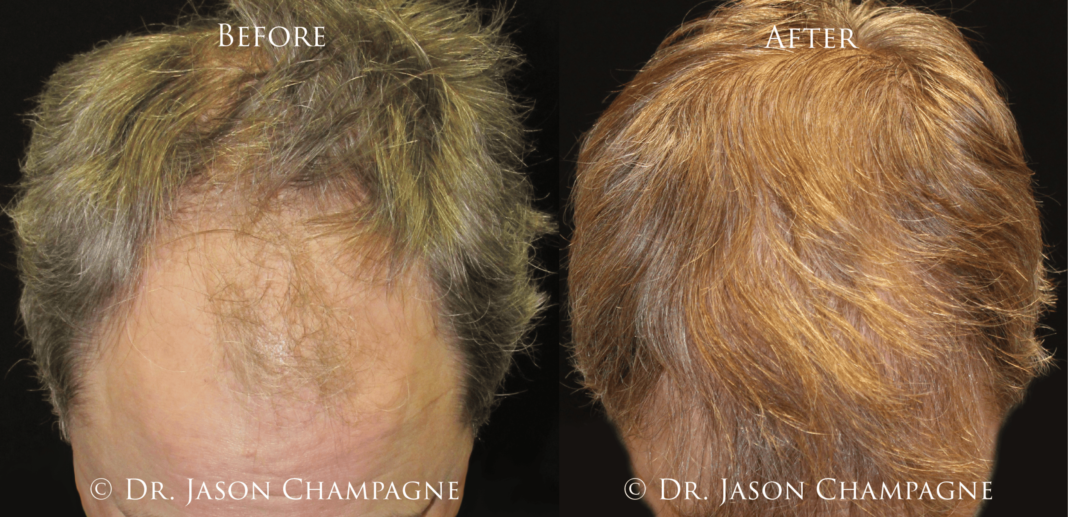

A hair transplant is a surgical procedure that moves hair follicles from a donor site on the body to a recipient, or balding, part of the body. Following the procedure, specific aftercare steps are necessary for the scalp as it heals. Adhering to a detailed care plan can support the recovery process, although individual results will vary. Here is more information about post-procedure care after a hair transplant:
Sleep With Your Head Elevated
Maintaining a proper sleeping position is part of the initial recovery phase. You will need to sleep with your head and back elevated at approximately a 15-30-degree angle for the first week after your procedure. This position helps manage swelling around the forehead and scalp, so you may want to use pillows or a recliner to maintain this posture throughout the night. Sleeping this way reduces contact between your new grafts and bedding, which may help to promote healing.
Avoid Washing Your Hair
For the first few days after the procedure, avoid washing your hair. This allows the newly transplanted follicles time to settle and begin healing in the recipient area without disturbance. On the third day, you may begin gently washing your hair using a mild shampoo as recommended by your specialist, because this helps keep the area clean.
Water pressure from the shower should not directly hit the grafts; instead, use a cup to pour lukewarm water over your head. Avoid using hair dryers, styling products, or exposing your scalp to excessive heat during the first week, as this may irritate the healing area. Refrain from rubbing or scratching your scalp to prevent dislodging the grafts or causing unnecessary discomfort.
Remove Crusts Slowly
Crusting and scabbing will form around the transplanted hair follicles. These crusts are a normal part of the hair transplant healing process, and they typically start to flake off on their own after about a week. You must not pick at the scabs, as doing so could disturb the new grafts.
As the scalp heals, you can help remove these crusts by gently applying a moisturizer or conditioner to soften them. This makes it easier for them to wash away during your routine. The process requires time, and it is ideal to let them detach naturally over several days.
Letting the crusts fall off on their own is a key part of the healing timeline. Your scalp needs time to recover from the procedure, so a gentle approach is necessary. After about ten days, most of the crusts should be gone, revealing the short, transplanted hairs underneath.
Avoid Scratching
Itching is a typical sensation during the healing process, but you must avoid scratching the scalp. Scratching can damage the delicate new grafts and introduce bacteria to the area, which might lead to complications. Itching is a sign that the skin is healing. To manage any itching, you can use a saline spray or take medication if approved by your specialist. A few ways to alleviate the sensation include:
- Patting the area instead of scratching.
- Using a saline spray to soothe the skin.
- Distracting yourself with other activities.
Get a Hair Transplant Consultation
Following a structured aftercare plan helps guide you through the recovery period. By following your specialist’s instructions, you support your body’s natural healing process. If you have questions about what to expect after a hair transplant, schedule a consultation to receive personalized information and guidance.
- Dentiloquent: A Complete Professional Guide
- Närkes Elektriska: Your Trusted Partner in Electrical Services in Örebro, Sweden
- Litorotica Tags: Guide for Better Search, Safety, and Clarity
- Exhentaime: The Future of Digital Entertainment in a Connected World
- Tarnplanen: The Modern Camouflage Strategy, Design, and Real-World Use