
Excessive sweating can interfere with daily life, affecting social interactions and self-image. This condition, known as hyperhidrosis, is more than just normal perspiration from heat or exercise. Here is more information on hyperhidrosis, including its causes, symptoms, and the available treatment options:
What Is Hyperhidrosis?
Hyperhidrosis is a medical condition characterized by excessive sweating that occurs beyond what is necessary to regulate body temperature. It can affect specific areas of the body, such as the underarms, hands, feet, and face, or it can be generalized across the entire body. The condition ranges from mild dampness to severe dripping, and it often leads to discomfort.
There are two main types of hyperhidrosis: primary focal and secondary generalized. Primary focal hyperhidrosis is the most common form and is not caused by another medical condition or as a side effect of medication. Secondary generalized hyperhidrosis is caused by an underlying medical condition or medication, so treatment typically addresses the root cause.
What Causes It?
The cause depends on the type, and each has different underlying mechanisms. Primary focal hyperhidrosis is idiopathic, meaning its exact cause is unknown, though it may be related to overactive nerve signals. These nerves trigger the eccrine sweat glands to produce more sweat than is needed for thermoregulation.
Secondary generalized hyperhidrosis is linked to a variety of factors. These include medical conditions like diabetes, thyroid problems, and certain infections. It can also be a side effect of various medications, such as antidepressants and some pain relievers.
What Are the Symptoms?
The primary symptom of hyperhidrosis is sweating that is visibly excessive and interferes with daily activities. This sweating can occur without the usual triggers of heat or physical exertion, and it often happens symmetrically on both sides of the body. This condition can lead to avoiding social situations, difficulty with personal relationships, and challenges in professional settings. Skin problems, such as fungal or bacterial infections, may also develop in areas that are consistently damp.
What Are the Treatment Options?
Several treatment options are available for managing hyperhidrosis, ranging from topical applications to medical procedures. The choice of treatment often depends on the severity of the condition and the affected areas of the body. Discussing these options with a healthcare provider helps determine the most suitable approach.
Prescription antiperspirants contain higher concentrations of aluminum chloride, and they work by blocking the sweat ducts. These products are typically applied at night to dry skin and are a common first-line treatment. Other topical medications can also be used to manage hyperhidrosis, providing another option for those who do not respond to antiperspirants.
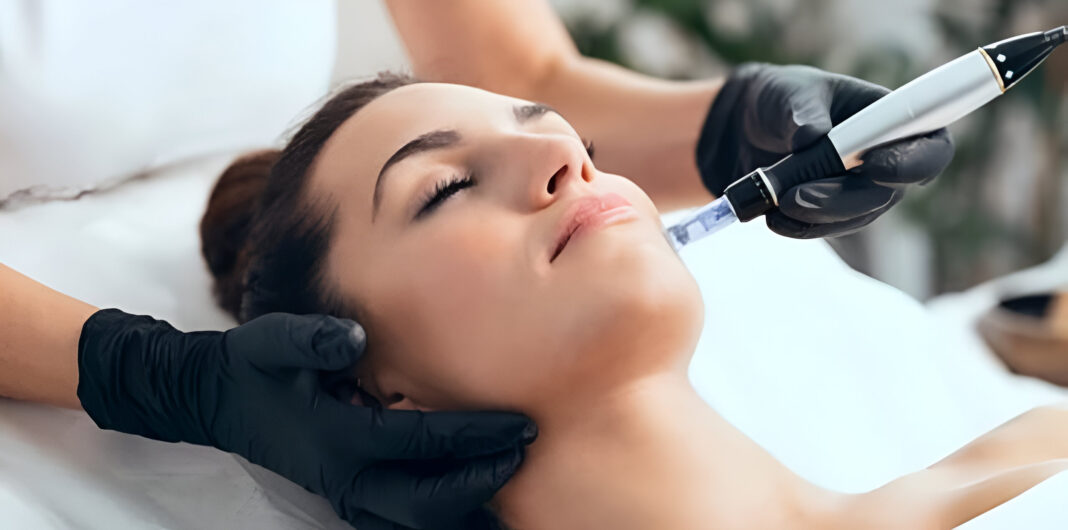
BOTOX® injections are a treatment option for severe primary axillary hyperhidrosis. The injections work by temporarily blocking the nerves that trigger sweat glands, and the effects can last for several months. This procedure is administered by a healthcare professional and can be an effective solution for localized excessive sweating.
Explore Your Options Today
Hyperhidrosis is a manageable condition, and various treatments are available to reduce excessive sweating. From topical solutions to in-office procedures, there are ways to control symptoms and improve your daily comfort. If you are experiencing excessive sweating, consult a healthcare provider to discuss your options and find a suitable treatment plan.