
A colonoscopy is an examination used to view the inside of the colon and rectum. This procedure can help identify concerns such as polyps, inflammation, and sources of gastrointestinal bleeding. Colonoscopy is frequently used for cancer screening or to investigate ongoing digestive symptoms.
What Is a Colonoscopy?
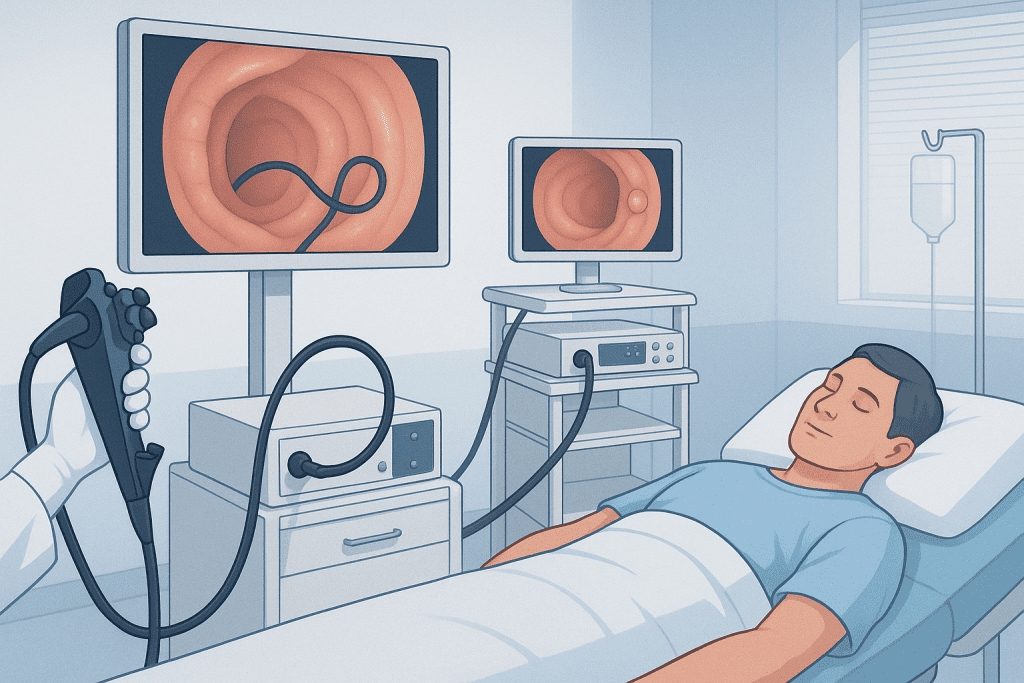
A colonoscopy is performed using a long, flexible tube called a colonoscope, which is equipped with a light and a camera. This instrument is inserted through the rectum and advanced through the entire colon. The camera transmits real-time video to a monitor, allowing the physician to observe the colon’s internal lining and identify any irregularities.
The colonoscope allows the physician to take tissue samples (biopsies) or remove polyps during the same procedure. Polyps are abnormal growths found on the lining of the colon. Removing them can help reduce the risk that they become problematic in the future.
What Is It For?
Colonoscopy is routinely recommended for both screening and diagnostic purposes. Physicians use this procedure to detect early signs of colorectal cancer. Screening is often started for individuals at average risk by age 45, depending on clinical guidelines and personal risk factors.
Colonoscopy enables direct visualization and removal of precancerous polyps before they can develop further. The procedure is also ordered to evaluate symptoms such as unexplained abdominal pain, persistent diarrhea, chronic constipation, or rectal bleeding. Through direct examination, a colonoscopy can diagnose a range of conditions, including:
- Inflammatory Bowel Disease (IBD): Chronic conditions like Crohn’s disease or ulcerative colitis lead to inflammation in the digestive tract.
- Diverticulosis: The development of pouches in the colon wall.
- Ulcers: Open sores that occur on the colon lining.
- Polyps: Growths that may or may not develop into cancer over time.
People with a family history of colorectal cancer or those who have previously had polyps may be monitored more frequently.
What Should You Expect?
Understanding the procedural steps can help people prepare for their appointment. The colonoscopy experience is divided into preparation, the procedure, and recovery. To allow accurate examination, the colon must be empty prior to the procedure. Patients are instructed to take strong laxatives the evening before or the morning of the procedure. This promotes full evacuation of the bowel contents. Complete preparation is necessary for optimal visibility.
During the Procedure
On the day of the exam, medical staff will insert an IV line for sedation. Patients are usually positioned on their side. Once sedation is in effect, the physician gently advances the colonoscope through the rectum and along the colon. Carbon dioxide may be introduced to inflate the colon, enhancing visibility for the camera.
The doctor closely examines the lining for abnormalities, such as polyps or signs of disease. If polyps are detected, they can often be removed immediately through the scope. Biopsies may also be taken. The lining of the colon does not provide pain sensation during these interventions.
Recovery
After the colonoscopy, patients are monitored in a recovery area as sedation wears off. Some may experience mild bloating or cramping due to air introduced during the examination. Passing gas generally relieves this discomfort. Patients must arrange for transportation home due to lingering effects of sedation. The medical team will provide instructions regarding activity, diet, and follow-up.
Consult a Gastroenterology Specialist
For those seeking guidance about digestive health, consulting a gastroenterology specialist can provide a comprehensive risk assessment based on personal and family history, current health, and lifestyle. Physicians can recommend appropriate timing and outline any next steps after an examination. Early consultation and regular monitoring help reduce uncertainty and support long-term well-being.
- Top Design Trends in Crypto Platforms for 2026
- Latest Innovations in Dental Implant Technology
- How to Save on Home Insurance Quotes in California: A Comprehensive Guide
- The Essential Role of Nutrition in Promoting Healthy Hair Growth
- Nurse Practitioner Consulting: Roles, Benefits, and Key Considerations