
Accidents happen when we least expect them. Knowing how to manage these situations effectively helps prevent complications and promotes faster healing. Proper at-home wound care serves as the first line of defense against infection and scarring.
What Causes Wounds?
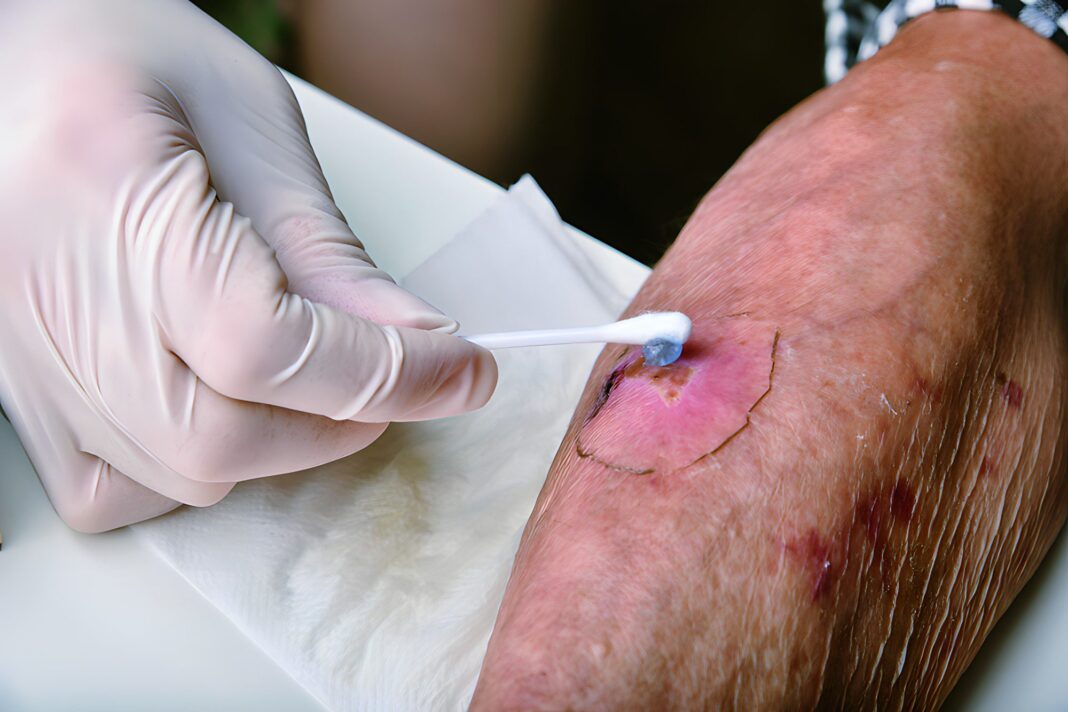
A wound involves any damage that breaks the skin or underlying tissues. These injuries range from minor surface scratches to deep lacerations affecting muscles and nerves. Understanding the type of injury helps in determining the correct treatment path.
The primary problem associated with any break in the skin is infection. Bacteria live on our skin and in the environment. Once the skin barrier breaks, these microorganisms can enter the body and cause an infection. Infections delay healing and spread to other parts of the body if left untreated. Scarring presents another concern. While some scarring is natural, improper care can lead to more prominent, uneven, or restrictive scars that affect appearance and movement.
How Do You Care For Them at Home?
Treating minor injuries promptly minimizes the risk of infection and aids the body’s natural repair process. There are certain steps for managing minor cuts and scrapes in a home setting. These steps include:
- Control the Bleeding: Apply direct pressure to the area with a clean cloth or sterile gauze. This continuous pressure allows a clot to form.
- Clean the Area: Once bleeding stops, rinse the injury thoroughly with cool, running water. This mechanical action washes away dirt, debris, and bacteria.
- Cover and Protect: Cover the area with a sterile bandage or gauze secured with medical tape. Covering the injury keeps it clean and prevents bacteria from entering.
- Monitor Progress: Watch the healing process closely. Scabs will form as part of the natural cycle, and picking at them disrupts healing and increases scarring risks.
What Does Professional Wound Care Entail?
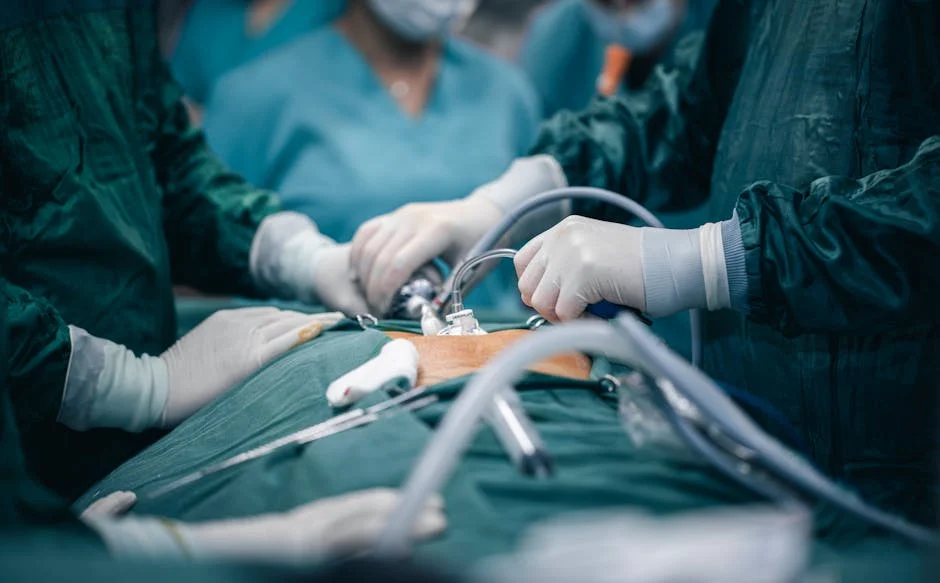
Some injuries require skills and equipment beyond a home first-aid kit. Medical specialists provide advanced wound care for deep, large, or contaminated injuries. A healthcare provider begins by assessing the depth and severity of the damage. They check for nerve damage or injury to tendons. Doctors also perform debridement, which involves the removal of dead or infected tissue. This process creates a clean base for healthy tissue to grow.
Professionals use various methods to close open areas, depending on the location and severity. Sutures (stitches) bring the skin edges together for faster healing and reduced scarring. Staples or medical adhesives offer alternatives for specific types of cuts. Specialists have access to advanced wound dressings that maintain optimal moisture balance and contain antimicrobial agents. For chronic or non-healing cases, therapies such as hyperbaric oxygen therapy may accelerate recovery. Vascular care may be implemented to address the source of chronic wounds.
Speak Further With a Specialist
Recognizing when to transition from home care to professional care can save you from severe health issues. Pay close attention to signs of infection, such as increasing redness, swelling, warmth, or the presence of pus. A fever or red streaks extending from the injury site indicate a spreading infection that demands immediate medical attention.
- Top Design Trends in Crypto Platforms for 2026
- Latest Innovations in Dental Implant Technology
- How to Save on Home Insurance Quotes in California: A Comprehensive Guide
- The Essential Role of Nutrition in Promoting Healthy Hair Growth
- Nurse Practitioner Consulting: Roles, Benefits, and Key Considerations