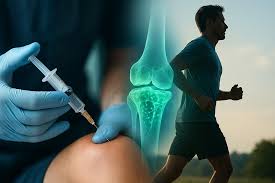

Platelet-rich plasma (PRP) is a preparation derived from a patient’s own blood. A sample is drawn and processed to create a concentration of platelets, which is then injected into a specific area of the body. This procedure is intended to introduce a high volume of growth factors to a targeted site. Some treatment protocols involve combining PRP injections with a structured physical therapy program to address musculoskeletal conditions. Here’s more information on the benefits of combining PRP therapy and physical therapy:
Better Long-term Recovery
When used together, PRP injections and physical therapy can offer a comprehensive approach to managing certain orthopedic conditions. The PRP injection is administered to a targeted area, introducing concentrated platelets and associated growth factors. Following the procedure, a physical therapist can design a rehabilitation program focused on restoring strength, flexibility, and proper movement patterns.
Comprehensive Care Plans
The coordination between PRP injections and physical therapy is a key element. A physical therapist can create a plan that phases in appropriate exercises and activities. This prevents the targeted area from being overloaded prematurely. The therapist also monitors the patient’s response, adjusting the program as recovery progresses. This structured process allows for methodical loading and functional training.
Coordinated Care Benefits
Some potential benefits of this combined approach may include:
- Progressively Strengthening Tissues
- Supporting Improved Joint Function and Mobility
- Reducing Pain and Other Symptoms
Customized Care Plans
A significant advantage of combining PRP with physical therapy is the ability to create highly customized care plans. No two patients or conditions are identical, and a tailored approach acknowledges these individual differences. A plan includes a thorough assessment of the condition, its severity, and the patient’s goals.
Customization of the PRP component may involve factors such as the volume of the injection, the precise location, and the number or timing of treatments. Concurrently, the physical therapy program is individualized based on exercise selection, dosage (sets, repetitions, and frequency), and progression criteria. Effective communication between the provider administering the PRP and the physical therapist allows for improved coordinated care.
There are several types of physical therapies commonly used to address musculoskeletal pain. Manual therapy techniques, including joint mobilizations and soft tissue massage, are often employed to reduce pain and improve mobility. Neuromuscular re-education is another valuable approach, aimed at improving coordination and movement patterns affected by pain or injury. Some other methods of pain reduction include heat, cold, and electrical stimulation. The selection of therapy types depends on the underlying cause of pain, patient goals, and the clinical judgment of the treating physical therapist.
Improved Quality of Life
By addressing both the biological environment of the tissue and its functional capacity, this combined strategy can lead to an improved quality of life for some individuals. The goal is a gradual reduction in symptoms like pain and stiffness, alongside an increase in function. As a patient progresses through a carefully managed physical therapy program post-injection, they may find it easier to:
- Perform Daily Tasks
- Return to Work
- Engage in Recreational Activities
The focus is on steady, measured progress rather than immediate results. This process can contribute to a meaningful and sustained improvement in their ability to move and live with greater comfort and less restriction over time.
Learn More About PRP Injections
If you are experiencing irregular musculoskeletal symptoms, consult with a qualified medical professional. An evaluation can determine if you are an appropriate candidate and allow you to discuss your personal health goals. Be sure to ask about the potential risks, benefits, and alternatives, as well as whether a coordinated physical therapy program is recommended as part of your treatment plan. Contact a specialist to learn how PRP therapy can work for you.
- Top Design Trends in Crypto Platforms for 2026
- Latest Innovations in Dental Implant Technology
- How to Save on Home Insurance Quotes in California: A Comprehensive Guide
- The Essential Role of Nutrition in Promoting Healthy Hair Growth
- Nurse Practitioner Consulting: Roles, Benefits, and Key Considerations