
Orthopedics is a medical specialty that focuses on the musculoskeletal system, which includes your bones, joints, ligaments, tendons, and muscles. Injuries or conditions affecting this system can interfere with your movement and quality of life. Orthopedic specialists diagnose and treat a variety of issues, from sports injuries to chronic conditions like arthritis. Here’s some more information about how this field relates to physical therapy.
Personalizing Approaches
An orthopedic specialist first diagnoses the specific issue. Following this diagnosis, a medical professional develops a tailored rehabilitation program. This plan is customized to your particular condition, lifestyle, and recovery goals. Your program is a dynamic tool; it will be adjusted based on your progress. This personalized approach helps you move forward at a pace that suits you best.
Preventing Surgery
In some situations, surgery is not the immediate or only option. Physical therapy provides a non-invasive approach for managing specific musculoskeletal issues. Through targeted exercises and treatments, physical therapy aims to reduce pain and improve mobility.
For some patients, this approach may eliminate the need for an operation. By strengthening muscles and improving joint stability, you give your body a foundation for healing. It also helps to address underlying issues that may contribute to discomfort, promoting long-term recovery and overall well-being.
Restoring Function
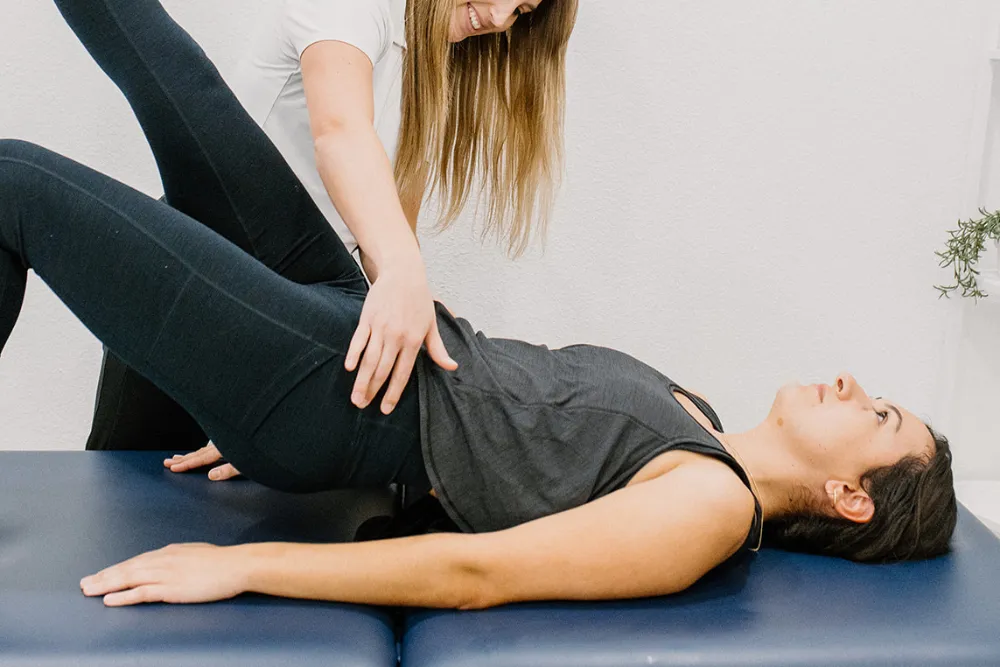
The primary goal of both orthopedics and physical therapy is to help you regain function and get back to your daily activities. Physical therapists guide you through exercises designed to improve your strength, flexibility, and range of motion. Restoring function involves more than just healing the injury; it also means rebuilding your confidence in movement. This process includes:
- Strength Training: Using resistance to build muscle around the affected area.
- Mobility Exercises: Performing movements to increase joint flexibility and reduce stiffness.
Improving Post-operative Care
When surgery is necessary, recovery doesn’t end when you leave the operating room. Post-operative physical therapy is a standard part of the healing journey. It begins soon after your procedure to help manage swelling, reduce pain, and gently reintroduce movement.
Your physical therapist works in coordination with your orthopedic surgeon’s protocol to guide you through a structured recovery. This teamwork supports a smoother healing process and helps you achieve the best possible outcome from your surgery. Your post-operative plan may include specific exercises to gradually restore strength and flexibility.
You may also be provided with guidance on managing your daily activities to protect the surgical site and prevent complications. Here are some methods:
- Manual therapy techniques
- A progressive exercise program
- Education on how to move safely during recovery
Maintaining open communication with your healthcare provider can help so that any concerns or issues are addressed promptly, further promoting a successful recovery.
Find Quality Care in Orthopedics
The connection between orthopedics and physical therapy offers a complete approach to care. From the initial diagnosis through rehabilitation, these two fields work together to support your recovery. This teamwork addresses your health from multiple angles, helping you rebuild your strength and return to the activities you enjoy. If you’re experiencing musculoskeletal pain or have an injury, our team is here to assist. Contact a clinic today to schedule an appointment and discover how this integrated approach can benefit you.
- Top Design Trends in Crypto Platforms for 2026
- Latest Innovations in Dental Implant Technology
- How to Save on Home Insurance Quotes in California: A Comprehensive Guide
- The Essential Role of Nutrition in Promoting Healthy Hair Growth
- Nurse Practitioner Consulting: Roles, Benefits, and Key Considerations