
Ingrown toenails are a common condition marked by the nail’s edge growing into the surrounding skin. This leads to discomfort and an elevated risk of infection. While this issue can occasionally be resolved with basic care, persistent or recurrent cases often require additional steps to minimize repeated problems and safeguard foot health.
What Are Ingrown Toenails?
Ingrown toenails develop when the corner or side of a toenail grows into the soft flesh beside it. Although the big toe is most often affected, any toenail can become ingrown. The condition causes localized pain, swelling, and sometimes infection if not addressed.
Multiple factors contribute to ingrown toenail formation. Common causes include trimming toenails too short or rounding the corners, which can encourage the nail to push into the skin as it grows. Footwear that crowds the toes or places pressure on the nails, such as tight shoes, is also linked to a higher risk. Toe injuries may alter normal nail growth and promote ingrown toenails.
Do I Have One?
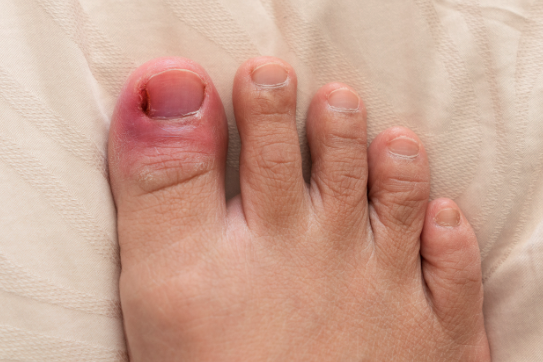
Early symptoms include pain or tenderness along the side of the affected toe, typically worsening with pressure from shoes or walking. Visible signs are redness, swelling, and warmth at the nail margin. Sometimes the nail edge becomes embedded in the skin, causing a small wound. Infections may develop, marked by increased pain, pus, or redness that extends away from the nail. Recurrent ingrown toenails usually occur at the same site. This may point to persistent factors such as nail shape, footwear habits, or improper nail trimming that have not been corrected. Recurrence indicates a need for specific preventive measures or procedural intervention.
How Are They Treated?
Treatment strategies depend on the severity of the condition and whether an infection is present. Early or mild ingrown toenails without infection can often be managed at home. Prominent management methods can include:
- Soak the foot in warm, soapy water for 10 to 20 minutes several times daily to soften the nail and skin.
- Apply an ointment and dress with a clean bandage.
- Opt for shoes with ample room for the toes or wear open-toed footwear to reduce pressure during healing.
When home interventions do not resolve the issue or signs of infection appear, professional care is required. Foot specialists, such as podiatrists, can remove the ingrown nail portion during a minor procedure. This offers prompt symptom relief and allows the nail area to heal. Management of infection may involve topical or oral antibiotics, depending on the clinical findings. Wound care, dressing changes, and regular monitoring are part of the aftercare to help promote recovery and prevent complications.
Preventing recurrence is an ongoing process. Key practices include trimming nails straight across (not too short or rounded), maintaining good foot hygiene, choosing footwear with proper toe room, and addressing fungal or skin conditions promptly. Individuals with inherited nail shapes or persistent recurrences may need ongoing follow-up.
Confer With a Foot Doctor
If you experience repeated ingrown toenails or symptoms that do not improve with home care, a consultation with a foot doctor is recommended. A foot care specialist can evaluate underlying risk factors and provide tailored treatment. Professional assessment and intervention are the best course of action for anyone with severe discomfort, helping to treat problems and minimize the risk of further complications.
- Top Design Trends in Crypto Platforms for 2026
- Latest Innovations in Dental Implant Technology
- How to Save on Home Insurance Quotes in California: A Comprehensive Guide
- The Essential Role of Nutrition in Promoting Healthy Hair Growth
- Nurse Practitioner Consulting: Roles, Benefits, and Key Considerations