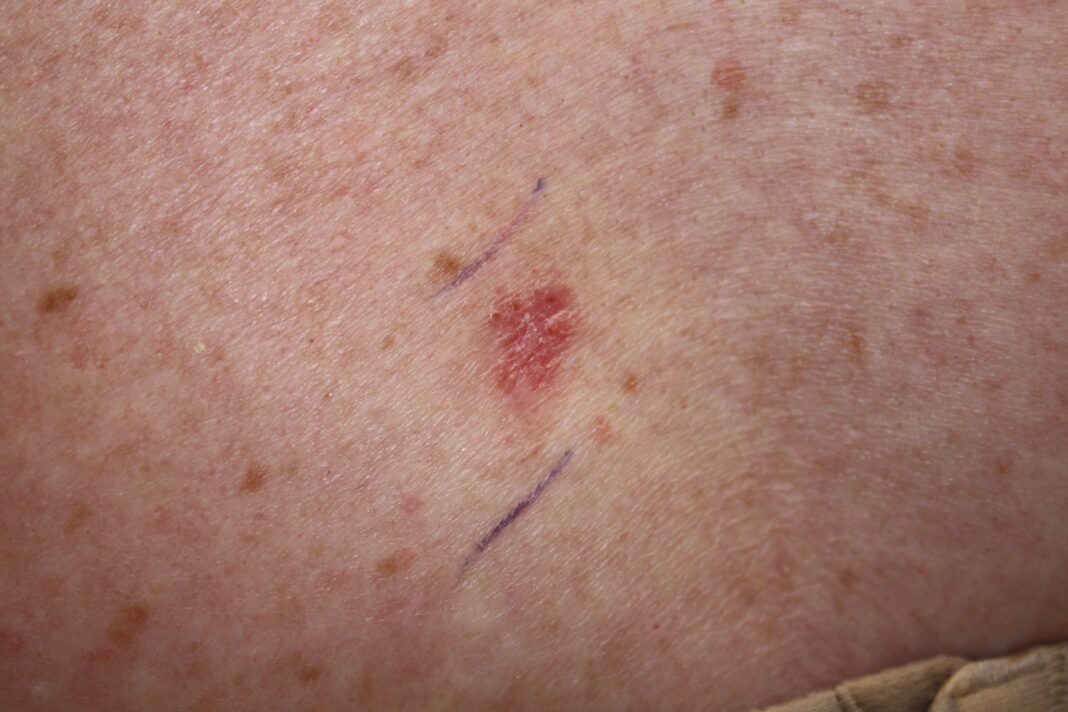

Dermatology is a medical specialty focused on the health of the skin, hair, and nails. Specialists in this field evaluate and manage a wide range of conditions, from common rashes to more complex diseases. Part of this specialty involves identifying skin changes that may require further assessment, including signs of skin cancer. Here’s information on four signs of skin cancer and when to seek a professional opinion:
1. Skin Bumps or Lesions
New or evolving bumps, patches, or lesions on the skin may warrant a dermatology evaluation. Skin spots may vary in their characteristics, including their color, texture, and borders. Changes might appear subtle at first, so paying attention to any new or developing bumps is a practical way to catch possible skin concerns.
There are three main types of skin cancer:
- Basal Cell Carcinoma: This most common type of cancer develops in the deep skin cell layers of the epidermis, appearing as pearly or flesh-colored bumps or as flat, scaly patches.
- Squamous Cell Carcinoma: This type may present as firm red nodules or as rough, scaly patches on the skin, which develop on the outer layer of the epidermis.
- Melanoma: This type can resemble a changing mole or appear as a new dark lesion with irregular features. Melanomas are more likely to spread into other body areas, and they develop in the pigment cells of the skin, called melanocytes.
2. Mole Changes
A new mole in adulthood, or an existing mole that begins to change, can be a reason to seek a professional evaluation. While you cannot diagnose yourself, you can track your skin’s appearance by monitoring your moles for changes. Keep in mind mole features such as its size, shape, color, or border, and make note of anything that changes or seems out of the usual.
At-home Observation Tips
You can observe your skin for any new spots or note if existing ones have altered in appearance over time. Taking photos can help document a mole’s state and track any evolving features. By tracking your moles, you can detect possible issues earlier and get timely medical care for odd developments. When visiting a dermatologist, bring any pictures or notes you have taken concerning your skin.
Medical Treatment Options
Should a skin lesion require treatment, a dermatologist will determine the most appropriate course of action. Their treatment recommendations are based on several factors, including the type, size, depth, and location of the lesion. The selected treatment is tailored to your specific circumstances. Some common approaches for treating suspected skin cancer are:
- Mohs Surgery
- Cryotherapy
- Topical Therapies
- Radiation Therapy
- Systemic Therapies (for Advanced Cases)
3. Skin Sores
A sore that heals very slowly, recurs, or fails to heal completely can benefit from a medical assessment. Document the duration of the sore, noting any changes in appearance, including bleeding or crusting. Providing this information during an appointment can help a dermatologist better understand your situation.
During an examination, the dermatologist will carefully inspect your skin for unusual moles, sores, or lesions that may indicate signs of skin cancer, focusing on areas of concern. They may use specialized tools to examine features below the skin’s surface. If a suspicious area is identified, the dermatologist may recommend a biopsy, a procedure where a small sample of skin is removed and analyzed under a microscope. This process is typically quick and minimally invasive. Their goal is to provide an accurate diagnosis and develop a personalized plan to manage or treat any concerns.
4. Skin Firmness
An area of skin or a bump that feels unusually firm or hard compared to the surrounding tissue may indicate a need for a dermatology examination. This change in texture might also feel fixed to the underlying skin tissues. Observing any new areas of skin firmness and noting how they feel is helpful information to share with your dermatologist.
Schedule a Dermatology Appointment
Observing your skin is a proactive health measure, but self-assessment does not replace a trained professional. If you notice any of the signs mentioned or have other concerns about your skin, schedule an appointment with a dermatologist. Protect your skin health and get a personalized assessment today.